


Menu

Coastal dance festival
CDF 2026
The 19th Annual Coastal Dance Festival brings Indigenous artists together to share and support one another in a celebration of lived artistic practices. Guest national and international artists have connected the festival with a global community of Indigenous dance.
The 19th Annual Coastal Dance Festival brings Indigenous artists together to share and support one another in a celebration of lived artistic practices. Guest national and international artists have connected the festival with a global community of Indigenous dance.
Festival Venues
March 3
Anvil Theatre, 777 Columbia Street, New Westminster, BC
March 4-8
Museum of Anthropology at UBC 6393 NW Marine Dr, Vancouver, BC
March 3
Anvil Theatre, 777 Columbia Street, New Westminster, BC
March 4-8
Museum of Anthropology at UBC 6393 NW Marine Dr, Vancouver, BC
Program Overview
Anvil Theatre, New Westminster
Anvil Theatre, New Westminster
Tuesday March 3 – Anvil Theatre
11 AM & 1PM / CDF ALL AGES THEATRE MATINEE / BUY TICKETS
TEACHERS CALL 1-888-655-9090 TO BOOK YOUR CLASS
Tuesday March 3 – Anvil Theatre
11 AM & 1PM / CDF ALL AGES THEATRE MATINEE / BUY TICKETS
TEACHERS CALL 1-888-655-9090 TO BOOK YOUR CLASS
Museum of Anthropology at UBC
Museum of Anthropology at UBC
Wednesday March 4 – Museum of Anthropology
11 AM & 1PM / CDF ALL AGES MATINEE / With MUSEUM ADMISSION
TEACHERS, COMPLETE REQUEST FORM TO BOOK YOUR CLASS
Wednesday March 4 – Museum of Anthropology
11 AM & 1PM / CDF ALL AGES MATINEE / With MUSEUM ADMISSION
TEACHERS, COMPLETE REQUEST FORM TO BOOK YOUR CLASS
Thursday March 5 – Museum of Anthropology
11 AM & 1PM / CDF ALL AGES MATINEE / With MUSEUM ADMISSION
TEACHERS, COMPLETE REQUEST FORM TO BOOK YOUR CLASS
3PM ARTIST SHARING & FILM SCREENING / With MUSEUM ADMISSION
Thursday March 5 – Museum of Anthropology
11 AM & 1PM / CDF ALL AGES MATINEE / With MUSEUM ADMISSION
TEACHERS, COMPLETE REQUEST FORM TO BOOK YOUR CLASS
3PM ARTIST SHARING & FILM SCREENING / With MUSEUM ADMISSION
Friday March 6 – Museum of Anthropology
3PM ARTIST SHARING / With MUSEUM ADMISSION
7:30PM / SIGNATURE EVENING PERFORMANCE / BUY TICKETS
Friday March 6 – Museum of Anthropology
3PM ARTIST SHARING / With MUSEUM ADMISSION
7:30PM / SIGNATURE EVENING PERFORMANCE / BUY TICKETS
Saturday March 7 – Museum of Anthropology
1-3:30PM / FESTIVAL STAGE PERFORMANCES / With MUSEUM ADMISSION
3:30PM / FILM SCREENING / With MUSEUM ADMISSION
7:30PM / SIGNATURE EVENING PERFORMANCE / BUY TICKETS
Saturday March 7 – Museum of Anthropology
1-3:30PM / FESTIVAL STAGE PERFORMANCES / With MUSEUM ADMISSION
3:30PM / FILM SCREENING / With MUSEUM ADMISSION
7:30PM / SIGNATURE EVENING PERFORMANCE / BUY TICKETS
Sunday March 8 – Museum of Anthropology
1-4PM / FESTIVAL STAGE PERFORMANCES / With MUSEUM ADMISSION
Sunday March 8 – Museum of Anthropology
1-4PM / FESTIVAL STAGE PERFORMANCES / With MUSEUM ADMISSION
Full Program
Tuesday March 3
Anvil Theatre
Wednesday March 4
Museum of Anthropology
ALL-AGES MATINE
11 AM & 1PM / With MUSEUM ADMISSION
TEACHERS, COMPLETE REQUEST FORM TO BOOK YOUR CLASS
ALL-AGES MATINE
11 AM & 1PM / With MUSEUM ADMISSION
TEACHERS, COMPLETE REQUEST FORM TO BOOK YOUR CLASS
Thursday March 5
Museum of Anthropology
ALL-AGES MATINE
11 AM & 1PM / With MUSEUM ADMISSION
TEACHERS, COMPLETE REQUEST FORM TO BOOK YOUR CLASS
ALL-AGES MATINE
11 AM & 1PM / With MUSEUM ADMISSION
TEACHERS, COMPLETE REQUEST FORM TO BOOK YOUR CLASS
ARTIST SHARING & FILM SCREENING
3PM / With MUSEUM ADMISSION
ARTIST SHARING & FILM SCREENING
3PM / With MUSEUM ADMISSION
Friday March 6
Museum of Anthropology
ARTIST SHARING
3PM / With MUSEUM ADMISSION
ARTIST SHARING
3PM / With MUSEUM ADMISSION
SIGNATURE EVENING PERFORMANCE
7:30PM / DOORS OPEN AT 7:15PM / BUY TICKETS
SIGNATURE EVENING PERFORMANCE
7:30PM / DOORS OPEN AT 7:15PM / BUY TICKETS
Saturday March 7
Museum of Anthropology
FESTIVAL STAGE PERFORMANCES
1-3:30PM / With MUSEUM ADMISSION
FESTIVAL STAGE PERFORMANCES
1-3:30PM / With MUSEUM ADMISSION
FILM SCREENING
3:30PM / With MUSEUM ADMISSION
FILM SCREENING
3:30PM / With MUSEUM ADMISSION
SIGNATURE EVENING PERFORMANCE
7:30PM / DOORS OPEN AT 7:15PM / BUY TICKETS
SIGNATURE EVENING PERFORMANCE
7:30PM / DOORS OPEN AT 7:15PM / BUY TICKETS
Sunday March 8
Museum of Anthropology
FESTIVAL STAGE PERFORMANCES
1-4PM / With MUSEUM ADMISSION
FESTIVAL STAGE PERFORMANCES
1-4PM / With MUSEUM ADMISSION
Supported by











Brought to you by the Vancouver Fraser Port Authority, proudly representing the Port of Vancouver.
Brought to you by the Vancouver Fraser Port Authority, proudly representing the Port of Vancouver.

CDF ARTISTS
CDF ARTISTS
Cedar Woman
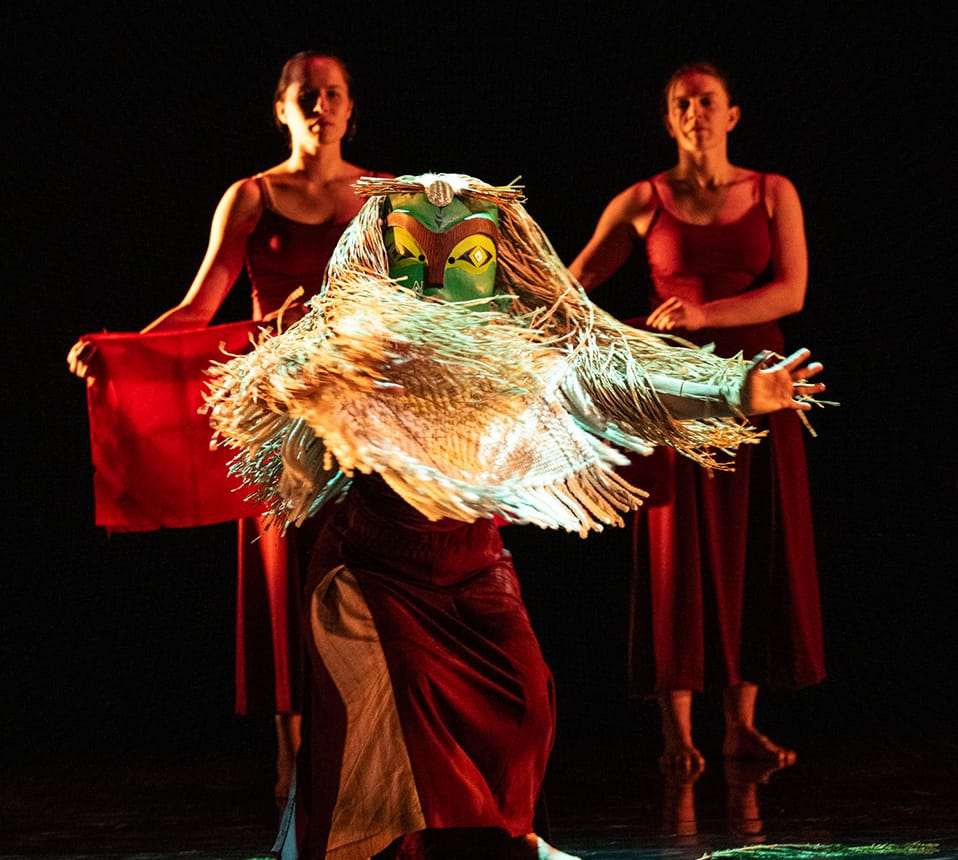
Cedar Woman is a prayer in a long line of prayers. It is sx̌ʷəx̌ʷəy̓em̓, a Coast Salish story of ancestral resilience and hope, honouring our relationship with these lands and a legacy of matriarchs spanning all the way back to a cedar tree. Through song, dance, and ceremony, Tasha Faye Evans and her ensemble call upon Cedar Woman, one of our first grandmothers who faced The Great Flood with fierce love. In this collective vision of hope for the future we remember our sacred responsibility to all our relations and protecting what we know from the depth of our soul to be sacred.
Cedar Woman is a prayer in a long line of prayers. It is sx̌ʷəx̌ʷəy̓em̓, a Coast Salish story of ancestral resilience and hope, honouring our relationship with these lands and a legacy of matriarchs spanning all the way back to a cedar tree. Through song, dance, and ceremony, Tasha Faye Evans and her ensemble call upon Cedar Woman, one of our first grandmothers who faced The Great Flood with fierce love. In this collective vision of hope for the future we remember our sacred responsibility to all our relations and protecting what we know from the depth of our soul to be sacred.
Chesha7 iy lha Mens
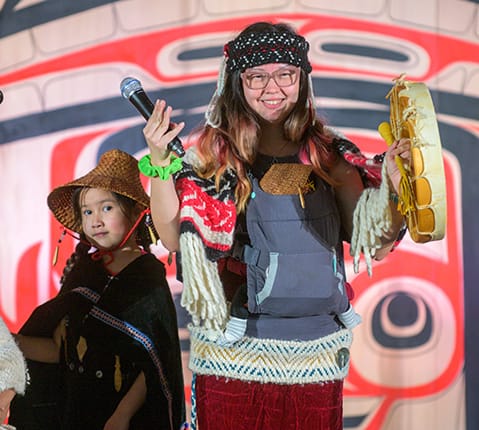
Chesha7 iy lha mens translates as “the mothers and daughters,” which represents this group as they are a family of grandmothers, mothers, and daughters. They continue their journey to learn their culture through songs and stories and to become confident in speaking their language. Their cultural ties are woven between Skwxwu7mesh, Sto:Lo, Tsimsian, Hawaiian, and Swiss peoples. Chesha7 iy lha mens represent and share their cultural songs and dances in the best way to teach and revitalize their culture for the generations to come.
Chesha7 iy lha mens translates as “the mothers and daughters,” which represents this group as they are a family of grandmothers, mothers, and daughters. They continue their journey to learn their culture through songs and stories and to become confident in speaking their language. Their cultural ties are woven between Skwxwu7mesh, Sto:Lo, Tsimsian, Hawaiian, and Swiss peoples. Chesha7 iy lha mens represent and share their cultural songs and dances in the best way to teach and revitalize their culture for the generations to come.
Chinook Song Catchers
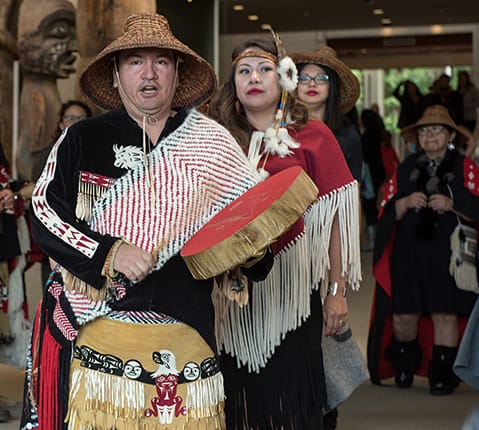
The Chinook Song Catchers are an Indigenous dance group that descends from the Squamish and Nisga’a nations. This dynamic dance group has been representing their heritage at major venues in Vancouver for over fourteen years. Performing at multi-cultural festivals and art celebrations; and conducting welcoming ceremonies for international guests to Vancouver. The Chinook Song Catchers have traveled to international events as ambassadors of our respected nations, traveling to Japan, Taiwan, Switzerland, Italy, and Turkey.
The Chinook Song Catchers are an Indigenous dance group that descends from the Squamish and Nisga’a nations. This dynamic dance group has been representing their heritage at major venues in Vancouver for over fourteen years. Performing at multi-cultural festivals and art celebrations; and conducting welcoming ceremonies for international guests to Vancouver. The Chinook Song Catchers have traveled to international events as ambassadors of our respected nations, traveling to Japan, Taiwan, Switzerland, Italy, and Turkey.
Dakhká Khwaán Dancers
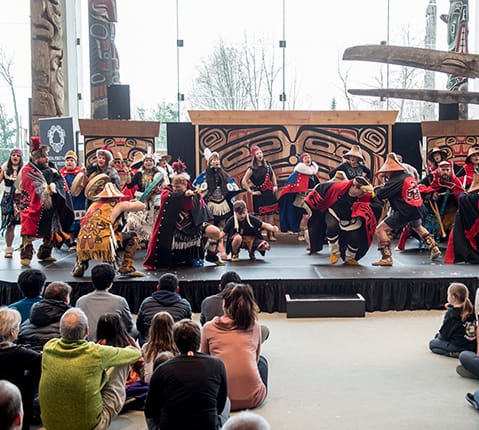
The Dakhká Khwáan Dancers are a National Award-winning Inland Tlingit dance group based out of Whitehorse, Yukon Territory, led by Marilyn Yadultin Jensen. They focus on reclaiming their languages and traditional values through their inherent art form of singing, drumming, dancing, and storytelling. The Dakhká Khwaán Dancers strive to present their performance with the outmost respect to cultural protocol and with the highest form of artistic integrity. Since forming in the community of Carcross in 2007, they have grown significantly including dancers from the Inland Tlingit communities of Teslin and Atlin. Together, they have danced across Canada, the US, New Zealand, Taiwan, the Vancouver 2010 Olympics and the Pam Am Games in 2015. The group received the 2014 National Aboriginal Cultural-Tourism Award and were nominated for an Indigenous Music Award in their collaborative work with DJ Dash for their album, Deconstruct Reconstruct in 2018.
The Dakhká Khwáan Dancers are a National Award-winning Inland Tlingit dance group based out of Whitehorse, Yukon Territory, led by Marilyn Yadultin Jensen. They focus on reclaiming their languages and traditional values through their inherent art form of singing, drumming, dancing, and storytelling. The Dakhká Khwaán Dancers strive to present their performance with the outmost respect to cultural protocol and with the highest form of artistic integrity. Since forming in the community of Carcross in 2007, they have grown significantly including dancers from the Inland Tlingit communities of Teslin and Atlin. Together, they have danced across Canada, the US, New Zealand, Taiwan, the Vancouver 2010 Olympics and the Pam Am Games in 2015. The group received the 2014 National Aboriginal Cultural-Tourism Award and were nominated for an Indigenous Music Award in their collaborative work with DJ Dash for their album, Deconstruct Reconstruct in 2018.
Dancers of Damelahamid
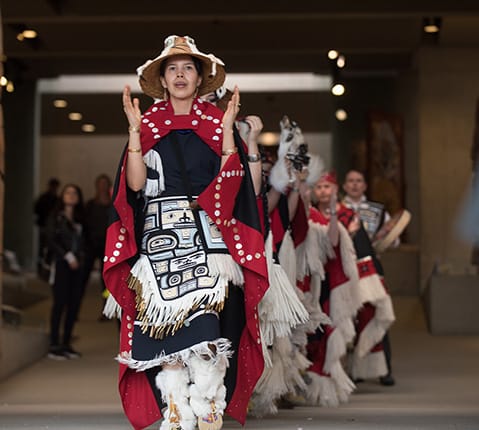
The Dancers of Damelahamid is an Indigenous dance company from the Northwest Coast of British Columbia with a rich history of masked dance that inspires a compelling performance. Through dramatic dance, captivating narrative, intricately carved masks, and elaborate regalia, the Dancers of Damelahamid transform time and space and bridge the customary with a living practice. Their full-length works include Setting the Path (2004), Sharing the Spirit (2007) and Visitors Who Never Left (2009). Newly created works include Spirit Transforming (2012), In Abundance (2014), Flicker (2016), Mînowin (2019), and Raven Mother (2024).
The Dancers of Damelahamid is an Indigenous dance company from the Northwest Coast of British Columbia with a rich history of masked dance that inspires a compelling performance. Through dramatic dance, captivating narrative, intricately carved masks, and elaborate regalia, the Dancers of Damelahamid transform time and space and bridge the customary with a living practice. Their full-length works include Setting the Path (2004), Sharing the Spirit (2007) and Visitors Who Never Left (2009). Newly created works include Spirit Transforming (2012), In Abundance (2014), Flicker (2016), Mînowin (2019), and Raven Mother (2024).
Git Hayetsk
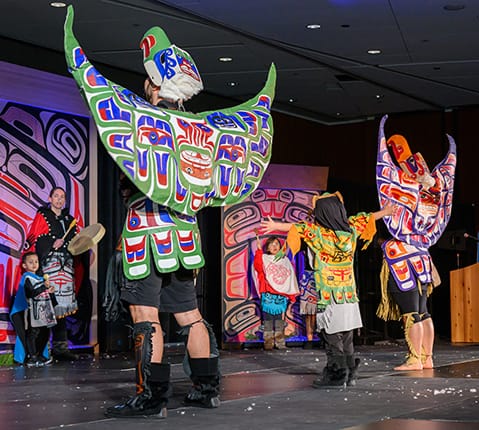
The Git Hayetsk Dancers are an internationally renowned dance group led in partnership by artist and carver Mike Dangeli (Nisga’a, Tsimshian, Tlingit, and Tsetsaut Nations) and Dr. Mique’l Dangeli (Tsimshian and Tlingit Nations), Assistant Professor of Indigenous Arts in the Department of Art History and Visual Studies at the University of Victoria. Git Hayetsk means “people of the copper shield” in Sm’algya̱x. The copper shield is the highest form of ceremonial wealth shared among their people. Their dancers are bonded by their connections to the Sm’algya̱x speaking peoples. Since 1999, they have shared their songs and dances at ceremonial and public events in urban and rural communities through Canada, the US, and abroad including Austria, Malaysia, Germany, and Japan.
The Git Hayetsk Dancers are an internationally renowned dance group led in partnership by artist and carver Mike Dangeli (Nisga’a, Tsimshian, Tlingit, and Tsetsaut Nations) and Dr. Mique’l Dangeli (Tsimshian and Tlingit Nations), Assistant Professor of Indigenous Arts in the Department of Art History and Visual Studies at the University of Victoria. Git Hayetsk means “people of the copper shield” in Sm’algya̱x. The copper shield is the highest form of ceremonial wealth shared among their people. Their dancers are bonded by their connections to the Sm’algya̱x speaking peoples. Since 1999, they have shared their songs and dances at ceremonial and public events in urban and rural communities through Canada, the US, and abroad including Austria, Malaysia, Germany, and Japan.
Git Hoan
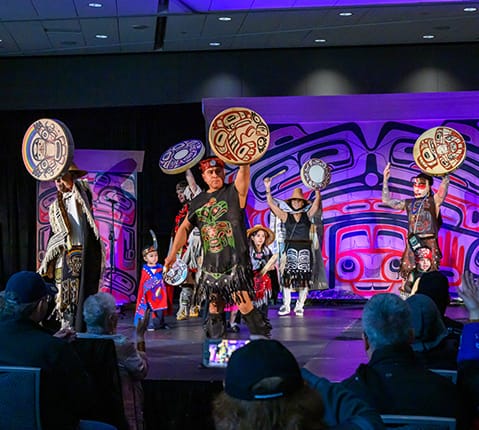
Git-Hoan (People of the Salmon) was founded in 1996 by David Boxley, internationally recognized Alaskan Tsimshian Artist and Culture bearer. The group is composed of family and close friends from the Tsimshian, Tlingit, and Haida nations. The songs and dances are presented with an energetic and proud style that, while different from most contemporary dance groups, is based on ancient traditions that belong to all coastal tribes. The Git Hoan Dancers showcase the magnificence of Tsimshian art, resurrect the practice of the culture, and educate the world that Native culture is diverse and a “living” art and culture. The Git Hoan performance is through song and dance sharing legends of the ancestors.
Git-Hoan (People of the Salmon) was founded in 1996 by David Boxley, internationally recognized Alaskan Tsimshian Artist and Culture bearer. The group is composed of family and close friends from the Tsimshian, Tlingit, and Haida nations. The songs and dances are presented with an energetic and proud style that, while different from most contemporary dance groups, is based on ancient traditions that belong to all coastal tribes. The Git Hoan Dancers showcase the magnificence of Tsimshian art, resurrect the practice of the culture, and educate the world that Native culture is diverse and a “living” art and culture. The Git Hoan performance is through song and dance sharing legends of the ancestors.
Lax Kxeen
Tsimshian Dancers
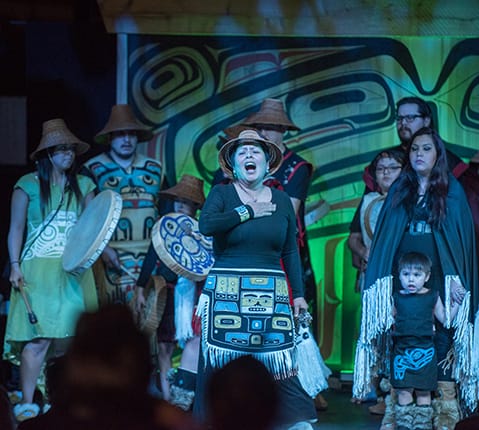
The Lax Kxeen Ts’msyen dance group is a cultural expression of the Ts’msyen (Tsimshian) people from the northwest coast of BC. For over 20 years, Christine Smith Martin has led the Lax Kxeen Ts’msyen dancers— now based in Vancouver—to gather, uphold, and carry Ts’msyen culture with pride. The name Lax Kxeen carries deep significance, as it is the Sm’algyax name for Prince Rupert—a place in which each group member holds strong ancestral lineages, keeping them rooted and connected to their home territories. What they share for others to witness is Ayaawx brought to life through song and dance. Ayaawx is the ancient Ts’msyen laws that continue to govern spiritual, social, and cultural ways of being. We thank you for witnessing and honouring these living teachings with us.
The Lax Kxeen Ts’msyen dance group is a cultural expression of the Ts’msyen (Tsimshian) people from the northwest coast of BC. For over 20 years, Christine Smith Martin has led the Lax Kxeen Ts’msyen dancers— now based in Vancouver—to gather, uphold, and carry Ts’msyen culture with pride. The name Lax Kxeen carries deep significance, as it is the Sm’algyax name for Prince Rupert—a place in which each group member holds strong ancestral lineages, keeping them rooted and connected to their home territories. What they share for others to witness is Ayaawx brought to life through song and dance. Ayaawx is the ancient Ts’msyen laws that continue to govern spiritual, social, and cultural ways of being. We thank you for witnessing and honouring these living teachings with us.
Rainbow Creek
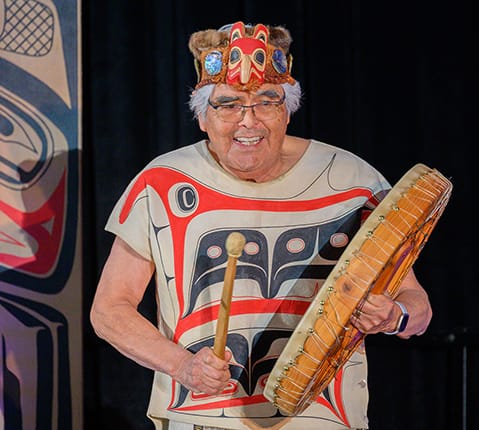
tuul gundlas cyaal xaadaRainbow Creek Dancers were named after a creek that runs behind the village of Massett on Haida Gwaii. The dance group was formed in 1980 by brothers Robert and Reg Davidson. Most of the early songs and dances were taught to Robert and Reg by their grandmother, Florence Edenshaw Davidson. The Rainbow Creek Dancers seek to bring meaning back to the songs and dances of their ancestors, performing them as they were taught by their elders, while also creating new songs and dances that build on the cultural foundation of their ancestors. Today, the Rainbow Creek Dancers dance masks created by Robert, Reg, and Ben Davidson in Haida Gwaii and throughout the world.
tuul gundlas cyaal xaada Rainbow Creek Dancers were named after a creek that runs behind the village of Massett on Haida Gwaii. The dance group was formed in 1980 by brothers Robert and Reg Davidson. Most of the early songs and dances were taught to Robert and Reg by their grandmother, Florence Edenshaw Davidson. The Rainbow Creek Dancers seek to bring meaning back to the songs and dances of their ancestors, performing them as they were taught by their elders, while also creating new songs and dances that build on the cultural foundation of their ancestors. Today, the Rainbow Creek Dancers dance masks created by Robert, Reg, and Ben Davidson in Haida Gwaii and throughout the world.
Sarah Marille Gaup
& Lawra Somby
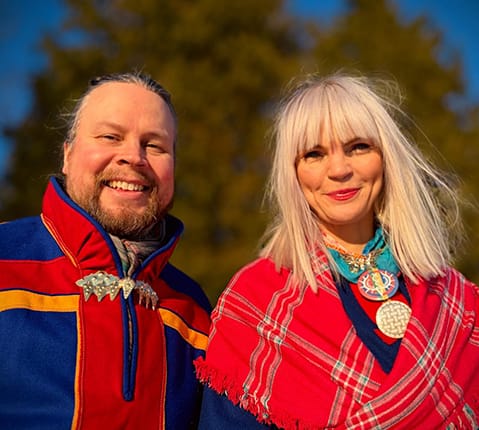
Sara Marielle Gaup and Lawra Somby are renowned Indigenous Sámi joik artists from Sápmi, the traditional Sámi homeland spanning Norway, Sweden, Finland, and the Kola Peninsula in Russia. The Sámi are the Indigenous people of this northern region, with deep cultural relationships to land, language, and ancestral knowledge.
Both artists have performed on stage since the late 1990s and have collaborated closely since 2004, when they co-founded the acclaimed band Adjágas. Their work is deeply rooted in joik, an ancient Sámi vocal tradition that is not sung about something, but is a person, place, animal, or memory — a living expression of relationship and presence. Through powerful vocal expression and attentive listening, Gaup and Somby present joik as a ceremonial, living Indigenous art form that carries continuity across generations.
Sara Marielle Gaup and Lawra Somby are renowned Indigenous Sámi joik artists from Sápmi, the traditional Sámi homeland spanning Norway, Sweden, Finland, and the Kola Peninsula in Russia. The Sámi are the Indigenous people of this northern region, with deep cultural relationships to land, language, and ancestral knowledge.
Both artists have performed on stage since the late 1990s and have collaborated closely since 2004, when they co-founded the acclaimed band Adjágas. Their work is deeply rooted in joik, an ancient Sámi vocal tradition that is not sung about something, but is a person, place, animal, or memory — a living expression of relationship and presence. Through powerful vocal expression and attentive listening, Gaup and Somby present joik as a ceremonial, living Indigenous art form that carries continuity across generations.
Sarah Hunt
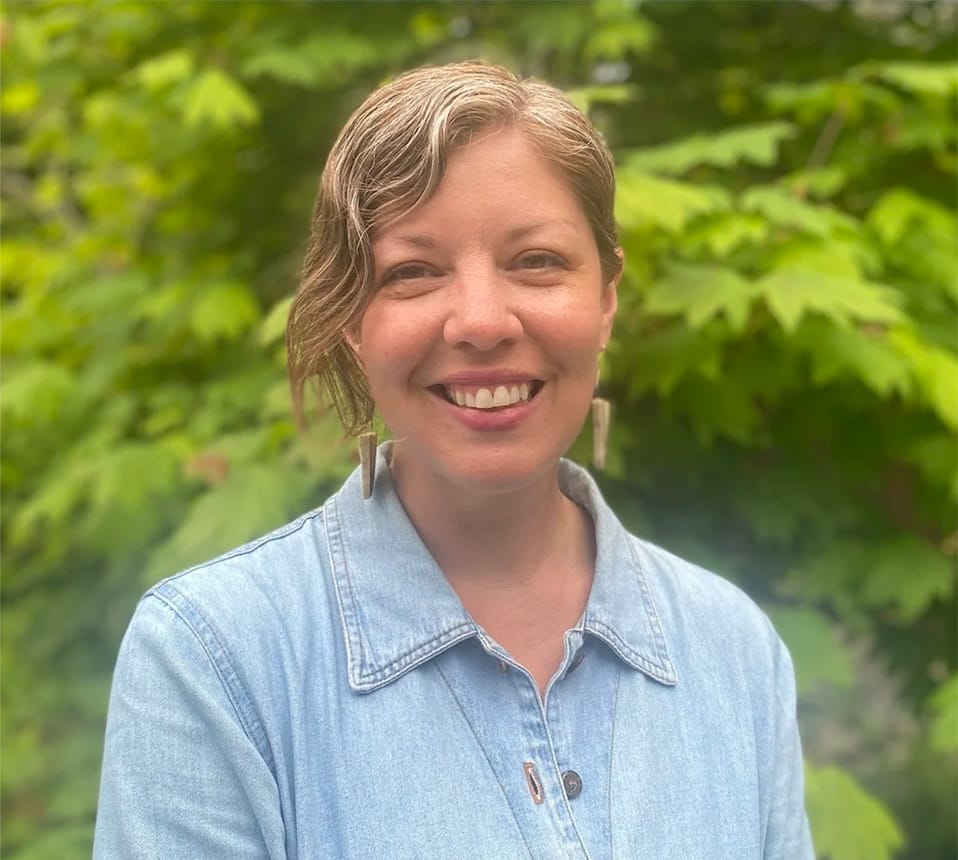
Sarah Hunt / Tłaliłila’ogwa is a Kwakwaka’wakw writer, scholar, and activist. For more than two decades, Sarah has sought justice for Indigenous Peoples and communities. Her writing and research are grounded in queer feminist analysis and an ethically ‘undisciplined’ approach to scholarship spanning legal geography, political ecology, gender studies, and Indigenous politics.
Sarah Hunt / Tłaliłila’ogwa is a Kwakwaka’wakw writer, scholar, and activist. For more than two decades, Sarah has sought justice for Indigenous Peoples and communities. Her writing and research are grounded in queer feminist analysis and an ethically ‘undisciplined’ approach to scholarship spanning legal geography, political ecology, gender studies, and Indigenous politics.
So Surreal:
Behind the Masks
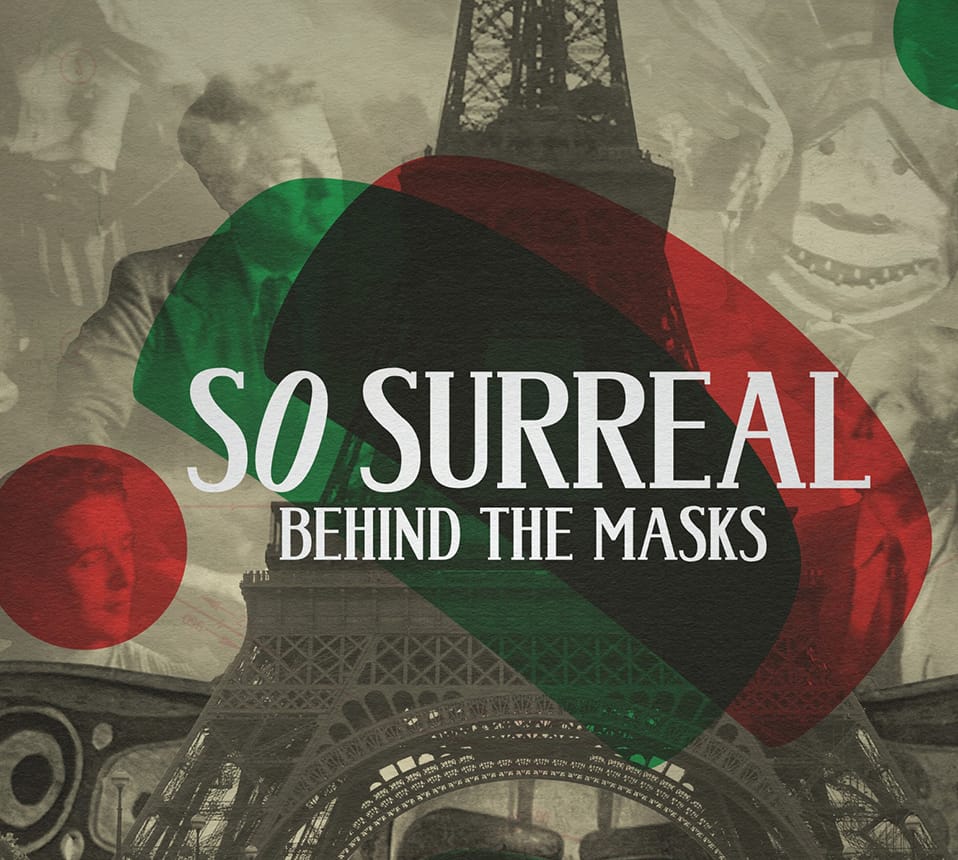
Illustrating a wildly fascinating connection between the work of some Surrealist artists and Indigenous ceremonial masks from the Yup’ik and Kwakwa̱ka̱ʼwakw nations, So Surreal: Behind the Masks goes on a journey from Turtle Island to Europe to find them.
Cree director Neil Diamond (Reel Injun, TIFF’09), accompanied by a cadre of interested parties including cultural preservation workers and art experts, journeys across the ocean to try to locate the Raven Transformation Mask, an invaluable cultural item that the northwest coastal community has previously had no luck tracking down.
Using illustration and engaging storytelling, Diamond tells how masks like this left their homelands, through trade and sale but also through theft. The documentary traces them from one prolific collector to museums and an antique store in New York — into which the German Surrealist Max Ernst wandered. He subsequently introduced the masks to his artist friends who, like him, became inspired. Kelly Boutsalis, TIFF
Illustrating a wildly fascinating connection between the work of some Surrealist artists and Indigenous ceremonial masks from the Yup’ik and Kwakwa̱ka̱ʼwakw nations, So Surreal: Behind the Masks goes on a journey from Turtle Island to Europe to find them.
Cree director Neil Diamond (Reel Injun, TIFF’09), accompanied by a cadre of interested parties including cultural preservation workers and art experts, journeys across the ocean to try to locate the Raven Transformation Mask, an invaluable cultural item that the northwest coastal community has previously had no luck tracking down.
Using illustration and engaging storytelling, Diamond tells how masks like this left their homelands, through trade and sale but also through theft. The documentary traces them from one prolific collector to museums and an antique store in New York — into which the German Surrealist Max Ernst wandered. He subsequently introduced the masks to his artist friends who, like him, became inspired. Kelly Boutsalis, TIFF
Spakwus Slolem
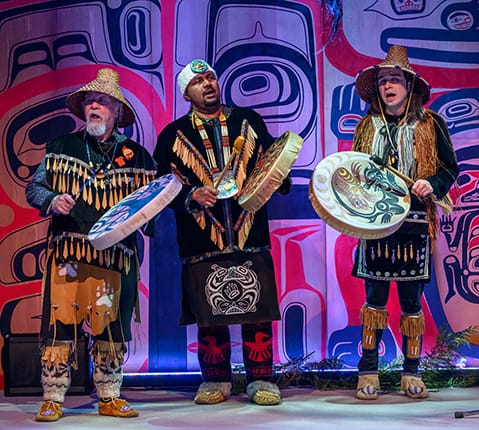
Spakwus Slolem are members of the Squamish Nation. The group presents a glimpse into their culture through singing, drumming, dancing, and audience participation. Spakwus Slolem is pleased and honoured to present songs and dances of yesterday, as well as today, and feel very honoured to represent their people in a good way as their Ancestors had intended. Spakwus Slolem has performed across the world, including Taiwan, Japan, Hawaii, and Europe.
Spakwus Slolem are members of the Squamish Nation. The group presents a glimpse into their culture through singing, drumming, dancing, and audience participation. Spakwus Slolem is pleased and honoured to present songs and dances of yesterday, as well as today, and feel very honoured to represent their people in a good way as their Ancestors had intended. Spakwus Slolem has performed across the world, including Taiwan, Japan, Hawaii, and Europe.
Tsatsu Staqayu
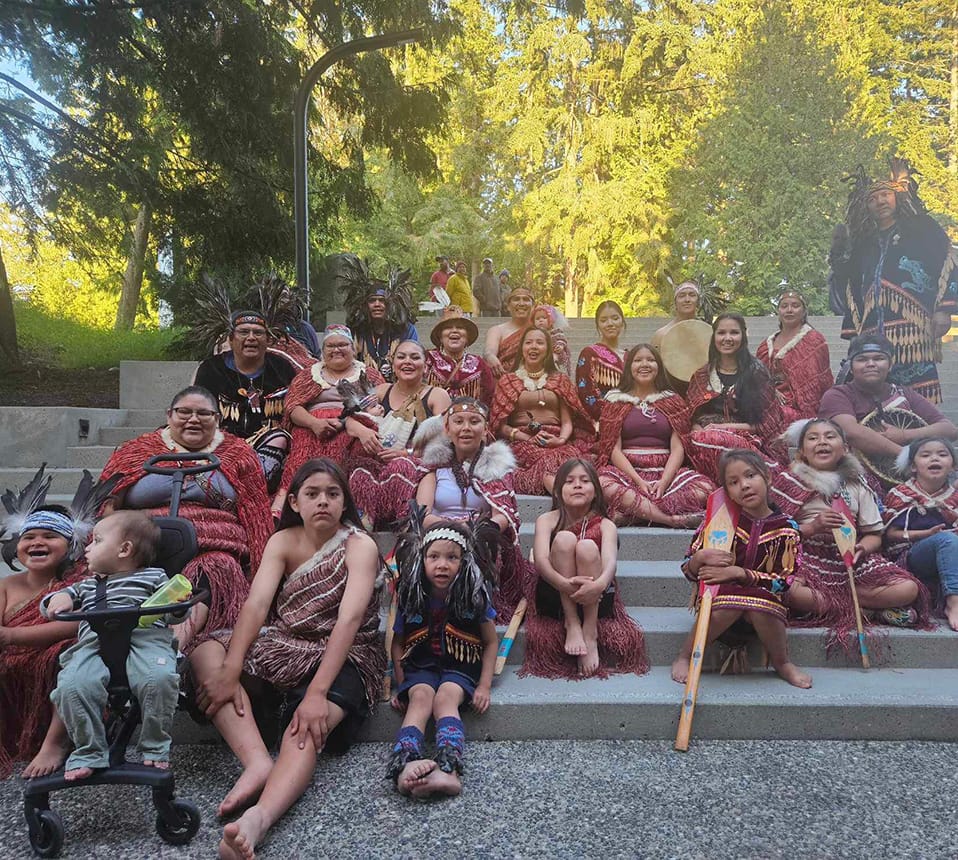
Tsatsu Staqayu (Coastal Wolf Pack) is a young group of Coast Salish singers and dancers coming from across the Coast and throughout the lower mainland. They have members in their group from Musqueam, Nanaimo, Kuper Island, Cowichan, Tsartlip, just to name a few, which brings them all together to sing and dance and share a small part of their Coast Salish culture. Performing for the people brings happiness and joy to their hearts as they sing, dance and pray for each one of us.
Tsatsu Staqayu (Coastal Wolf Pack) is a young group of Coast Salish singers and dancers coming from across the Coast and throughout the lower mainland. They have members in their group from Musqueam, Nanaimo, Kuper Island, Cowichan, Tsartlip, just to name a few, which brings them all together to sing and dance and share a small part of their Coast Salish culture. Performing for the people brings happiness and joy to their hearts as they sing, dance and pray for each one of us.
‘Yisya̱’winux̱w
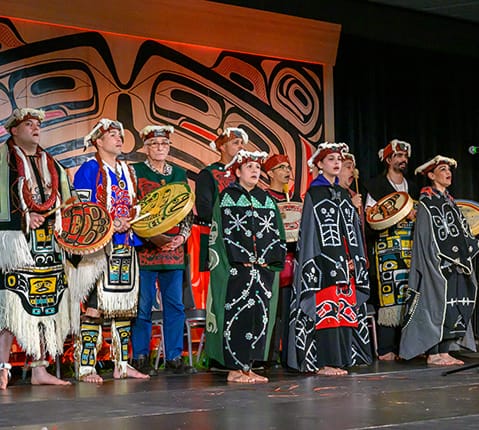
The ‘Yisya̱’winux̱w Dancers are a professional, adult and youth dance group whose members represent many of the 18 tribes of the Kwakwa̱ka̱’wakw. Many members live and work in Alert Bay, BC. They come together to ‘share’ traditional knowledge by invitation or special arrangement for private events. Although, ‘Yisya̱’winuxw is the most recent formed dance group of the Kwakwa̱ka̱’wakw, many of their members have ‘shared’ professionally for over 20 years. Each of the ‘Yisya̱’winuxw dancers are initiated in their Potlatch ceremonies. The dances and songs they use in their performances are owned by the members, and families within their group.
The ‘Yisya̱’winux̱w Dancers are a professional, adult and youth dance group whose members represent many of the 18 tribes of the Kwakwa̱ka̱’wakw. Many members live and work in Alert Bay, BC. They come together to ‘share’ traditional knowledge by invitation or special arrangement for private events. Although, ‘Yisya̱’winuxw is the most recent formed dance group of the Kwakwa̱ka̱’wakw, many of their members have ‘shared’ professionally for over 20 years. Each of the ‘Yisya̱’winuxw dancers are initiated in their Potlatch ceremonies. The dances and songs they use in their performances are owned by the members, and families within their group.